

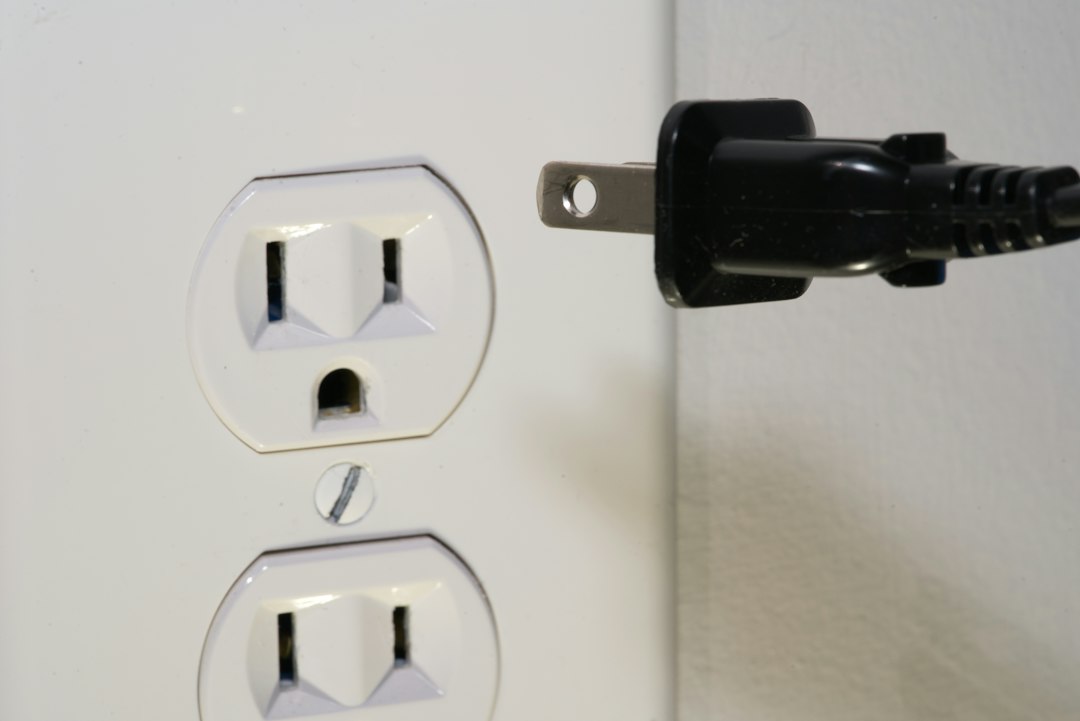
If you’re curious about smart home tech but don’t want to spend much, start here. A smart plug is a little adapter that sits between your wall outlet and whatever you plug into it. Suddenly that “dumb” lamp, fan or coffee maker can be switched on and off from your phone, by voice or on a schedule.
They’re cheap, they take about five minutes to set up, and you can take them with you when you move. But they’re not magic, and buying the wrong one can be frustrating. Here’s what you need to know.
Quick buying checklist: works with your ecosystem (ideally Matter-certified), a standard US plug, a power rating that covers your device, a slim shape that doesn’t block the neighboring outlet, and energy monitoring if you want to track usage.
What smart plugs are great for
- Lamps: have them come on at sunset or when you say “goodnight”, turn them all off.
- Holiday and decorative lights: no more crawling behind the tree to switch them on.
- Fans and simple heaters (check the rating first): schedule them to run before you get home.
- Coffee makers with a physical on switch: wake up to a warm machine.
- Chargers and electronics: cut power overnight or set limits on a kid’s games console.
- Making your home look lived in: randomized lamp schedules while you’re away.
What they can’t do
This is where people get caught out. A smart plug can only switch power on or off. That means:
- Devices with touch buttons usually won’t work. Many modern appliances don’t turn back on when power returns; they wait for you to press a button. A device needs a physical switch that stays “on”.
- They can’t dim lights or change colors. For that, you need smart bulbs.
- They’re not for big power-hungry appliances unless the plug is specifically rated for it. Check your device’s wattage against the plug’s maximum.
How to choose the right smart plug
1. Match it to your ecosystem
Check that the plug works with the assistant you use: Alexa, Google Home or Apple Home. The easiest way to avoid trouble is to look for the Matter logo, which means it should work with all of the major ecosystems. (New to this? Our smart home for beginners guide explains Matter in plain English.)
2. Wi-Fi or Thread?
Wi-Fi plugs connect straight to your router, with no hub needed. Thread plugs use a low-power mesh network and need a Thread border router (built into many newer smart speakers and hubs). Thread tends to be more responsive once you have several devices; Wi-Fi is simpler if you’re only buying one or two.
3. Check the power rating and plug type
Make sure it’s the right plug for your country and that its maximum load covers what you’ll plug in. If you’re unsure, the wattage is usually printed on a label on your appliance.
4. Mind the size
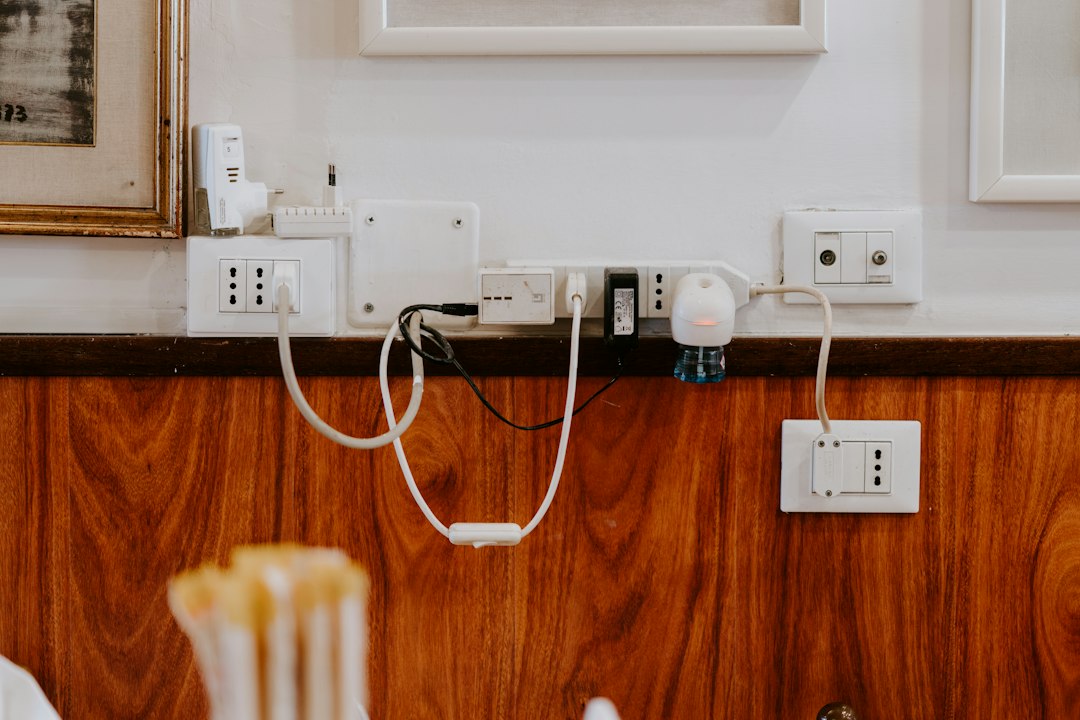
Bulky plugs can block the outlet next to them. Slim or “mini” designs are worth it, especially for double wall outlets.
5. Decide if you want energy monitoring
Some plugs show how much electricity a device uses. It’s a fun and genuinely useful way to discover what’s quietly costing you money, like an old fridge in the garage or a TV that’s never fully off.
6. Outdoor use? Get an outdoor plug
For garden lights or decorations, choose a plug that’s specifically weather-rated for outdoor use. Indoor plugs and rain don’t mix.
Setting one up
- Plug it into the wall and wait for the light to blink.
- Open your smart home app (or the plug maker’s app) and add a new device. For Matter plugs, you’ll usually scan a QR code.
- Give it a clear name, like “Living room lamp”, so voice commands feel natural.
- Set up a schedule or routine, and enjoy.
Safety first
Avoid using smart plugs with appliances that could be dangerous if switched on unexpectedly while you’re not there, such as irons or space heaters without safety shut-off features. Don’t daisy-chain plugs or overload extension leads, and buy from reputable brands that carry proper safety certification for your region.
Are they worth it?
For the price, absolutely. A couple of smart plugs are the easiest way to find out whether you actually enjoy smart home tech before spending more on bulbs, speakers or thermostats. Start with the lamp you switch on every evening. Chances are, you won’t want to go back.



Leave a Reply