

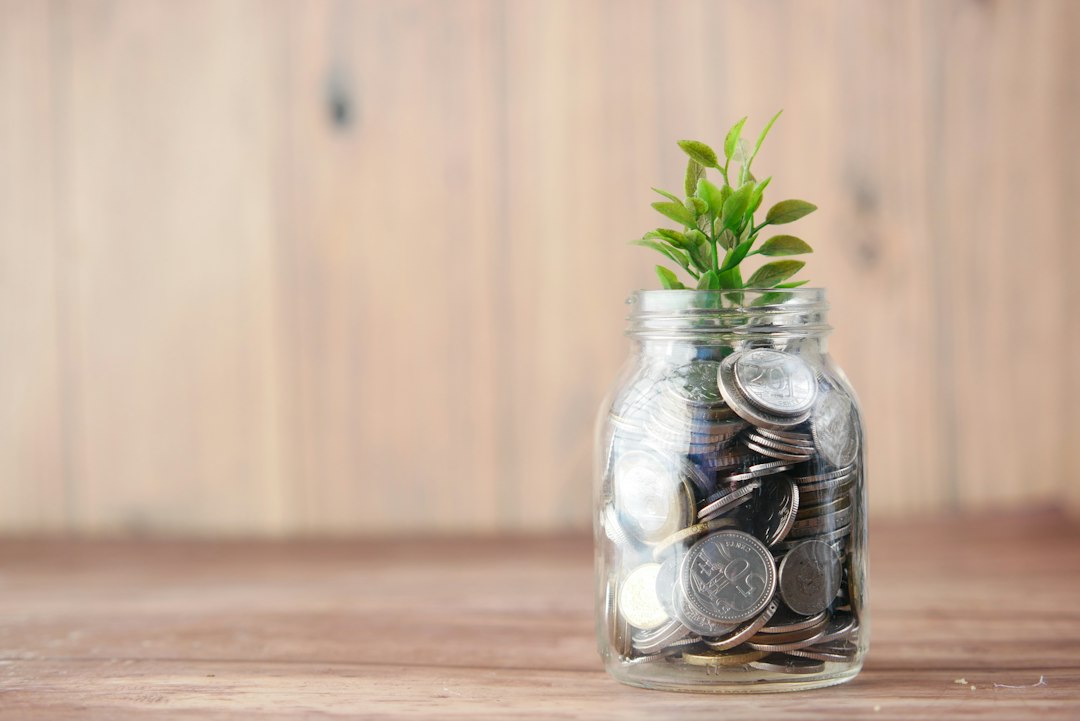
Saving $1,000 sounds big until you break it down. It is about $33 a day for a month, and you do not have to find all of it by cutting back. The fastest way is to split the goal three ways: spend less, earn a little extra, and sell things you no longer use. This 30-day plan shows you how to save $1,000 fast without living on rice and beans.
The plan at a glance
- Week 1: Find your leaks and cancel what you do not use (goal: $150)
- Week 2: Cut food and everyday spending (goal: $250)
- Week 3: Sell things around the house (goal: $300)
- Week 4: Earn extra with a short side gig (goal: $300)
Before you start: give the money a home
Open a separate savings account and name it for your goal. Money that sits in your checking account gets spent. Each time you free up cash during the month, move it over the same day. If you can, pick an account that pays interest, which we cover in our guide to high-yield savings accounts.
Week 1: Find your leaks (goal: $150)
Look through your last two bank and card statements and highlight every charge that repeats. Most people find at least a few they forgot about.
- Cancel unused subscriptions. Streaming services, apps, and free trials that turned into paid plans add up quickly. You can always sign up again later.
- Call your providers. Ask your phone, internet, and insurance companies for a lower rate or a cheaper plan. A ten minute call often saves $10 to $30 a month.
- Pause, do not quit. If you are not ready to cancel a gym or a subscription box, many let you pause for a month.
Week 2: Cut food and everyday spending (goal: $250)
Food is the easiest big category to trim because you make dozens of small choices every week.
- Plan meals around what you already have. Check the pantry and freezer first, then shop with a list.
- Try a no-takeout month. Cooking at home for 30 days is often the single biggest saver in this plan.
- Switch to store brands. They are usually cheaper for nearly the same product.
- Use a 48-hour rule. For anything you want but do not need, wait two days. Most of the time the urge passes.
- Take cash for fun money. When the envelope is empty, you are done for the week.
If you want a system that keeps working after the month is over, see how to make a budget that actually sticks.
Week 3: Sell what you do not use (goal: $300)
Most homes have a few hundred dollars sitting in closets and drawers. Walk through each room and pull out things you have not touched in a year.
- Old phones, tablets, game consoles, and games
- Brand-name clothes and shoes in good condition
- Furniture, tools, and exercise equipment
- Kids’ toys, strollers, and outgrown gear
Sell bulky items locally and ship the small, valuable ones. We walk through the best places and how to price things in how to sell stuff online.
Week 4: Earn a little extra (goal: $300)
You do not need a second career, just a few extra paid hours this month.
- Pick up extra shifts or overtime if your job offers them.
- Try delivery or grocery shopping apps on evenings and weekends.
- Offer a local service such as pet sitting, yard work, or babysitting. See our guide to starting a dog walking side hustle.
- Take a seasonal job. Stores and warehouses hire heavily before the holidays.
For more ideas, read 8 side hustles you can start for under $100.
What to do if you fall short
If you end the month at $600 or $700, that is still a win. You have more saved than you did 30 days ago, and you now know which steps work for you. Keep the cheaper habits, repeat the best week, and you will reach $1,000 soon after.
Where should the $1,000 go?
For most people, the first $1,000 should become a starter emergency fund, so that a car repair or a medical bill does not land on a credit card. Our guide on how to build an emergency fund explains how to grow it from there.
FAQ
How can I save $1,000 in 30 days?
Combine three things: cut spending by about $400, sell unused items for about $300, and earn about $300 extra from overtime or a side gig. Move the money to a separate savings account as you go.
How much is $1,000 in a month per day?
It works out to about $33 a day, or $250 a week.
Can I save $1,000 on a low income?
It is harder, and it may take two or three months instead of one. Focus on the selling and earning steps, since there is a limit to how much you can cut.
Where should I keep my savings?
In a separate savings account, ideally a high-yield one, so the money earns interest and is not mixed with your everyday spending.
Helpful tools on Amazon
As an Amazon Associate, Latest In Trend earns from qualifying purchases, at no extra cost to you.




Leave a Reply