

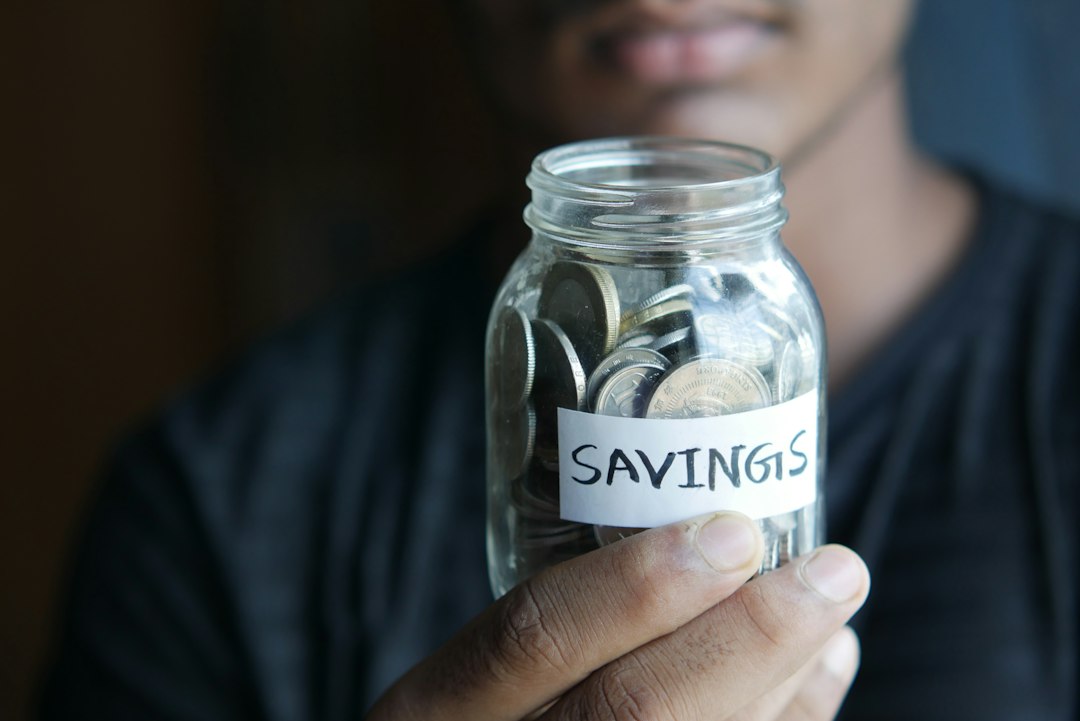
If an unexpected $1,000 bill showed up tomorrow, could you pay it without a credit card? For a lot of Americans, the honest answer is no. An emergency fund is the simple fix, and you can start one even if money is tight right now.
This guide walks you through how much to save, where to keep it and how to build it step by step, starting with as little as $20 a week.
The short version: start with a mini goal of $500 to $1,000, then work toward three months of essential expenses. Keep the money in a separate high-yield savings account, automate a small transfer every payday, and only touch it for true emergencies.
Why emergency funds matter more than ever
The Penny Hoarder’s 2026 State of Savings survey of 1,000 U.S. adults, conducted in September, paints a tough picture:
- Only 35% of Americans say they have a dedicated emergency fund, down from 37% last year.
- 44% couldn’t cover a $1,000 emergency.
- 62% say they live paycheck to paycheck, up from 58% in 2025.
- 14% have no emergency savings at all, more than double last year’s share.
Without a cushion, a car repair or a surprise medical bill often ends up on a credit card, where interest can turn a $1,000 problem into a much bigger one. An emergency fund breaks that cycle.
How much should you save?
There’s no single right number, but these milestones work for most people:
- Starter fund: $500 to $1,000. This covers the most common surprises, like a car repair, a vet visit or a broken phone.
- One month of essentials. Add up rent or mortgage, utilities, groceries, insurance, transportation and minimum debt payments.
- Three to six months of essentials. This is the classic target, and it protects you if you lose your job or can’t work for a while.
If your income is irregular, you’re self-employed or you’re the only earner in your household, aim for the higher end. Don’t let the big number scare you off. Every milestone you hit makes you safer than you were before.
Step 1: Know your monthly essentials
Look at the last two or three months of bank and card statements and list only the expenses you’d still have to pay in a crisis. Skip streaming services, takeout and other extras. That total is your “one month” number, and it’s usually lower than people expect.
Step 2: Open a separate high-yield savings account
Keeping emergency money in your checking account makes it too easy to spend. According to the same survey, 41% of people keep most of their short-term savings in checking, and only 13% use a high-yield savings account.
A high-yield savings account at an online bank or credit union usually pays much more interest than a traditional big-bank savings account, and your money stays easy to reach. Look for:
- FDIC insurance (or NCUA insurance for credit unions)
- No monthly fees and no or low minimum balance
- Free, fast transfers to your checking account

Step 3: Automate it
The easiest way to save is to never see the money in the first place. Set up an automatic transfer from checking to savings for the day after each payday. Even $25 a paycheck adds up to $650 a year.
Here’s how quickly small amounts grow, before interest:
- $20 a week = $1,040 in a year
- $50 a paycheck (every two weeks) = $1,300 in a year
- $100 a month = $1,200 in a year
If your employer offers split direct deposit, you can send a slice of each paycheck straight to savings. Many budgeting apps can also round up purchases or move money automatically. Our guide to the best budgeting apps covers several good free options.
Step 4: Find extra money to speed things up
Automation builds the habit. Windfalls and small cuts get you there faster:
- Tax refunds, bonuses and cash gifts: put at least half into your emergency fund.
- Cancel one or two subscriptions you no longer use and redirect that money.
- Sell things you don’t need on Facebook Marketplace or eBay.
- Earn a little extra. A small side gig can fill your starter fund in a few months. See our list of side hustles you can start for under $100.
Step 5: Decide what counts as an emergency
Write down your rules before you need them. A good emergency is unexpected, necessary and urgent.
Usually yes: job loss, medical or dental bills, essential car repairs, urgent home repairs, emergency travel for family.
Usually no: holiday gifts, vacations, sales and planned expenses like annual insurance premiums. Save for those in a separate “sinking fund” so they don’t drain your safety net. For holiday spending, see our guide on budgeting for the holidays without debt.
What if you have credit card debt too?
It’s a common dilemma: pay off debt or build savings? A balanced approach works well for most people:
- Build a starter fund of $500 to $1,000 first, so new emergencies don’t go on the card.
- Then put most of your extra money toward high-interest debt.
- Once the debt is gone, go back to building three to six months of expenses.
After you use it, refill it
Using your emergency fund isn’t a failure. It means the plan worked. Once the crisis passes, restart your automatic transfers and rebuild the balance. If it’s helpful, temporarily raise your transfer amount until you’re back on track.
The bottom line
You don’t need a big income to build an emergency fund. You need a separate account, an automatic transfer and a little patience. Start with $500, then keep going. Future you, and your credit card balance, will be glad you did. If you want help setting up the rest of your money plan, start with our guide on how to make a budget that actually sticks.
Survey figures come from The Penny Hoarder’s 2026 State of Savings in America report (1,000 U.S. adults, surveyed September 2026). This article is general information, not personal financial advice.



Leave a Reply